You don’t need to be a meteorologist to farm smarter this season, you just need a plan.
Every year, the seasonal forecast comes out, and every year, thousands of Malawian farmers hear the same words: “above-normal,” “below-normal,” “El Nino,” “La Nina.” And every year, too many of those farmers do nothing differently with that information. Not because they don’t care, but because nobody ever showed them how to turn a forecast into a productive farming decision.
Here’s how to change that this season.
1. Read the outlook for your district, not just the headline
When the Department of Climate Change and Meteorological Services (DCCMS) releases the seasonal forecast in September, don’t stop at the national summary. Rainfall can look completely different two districts apart. Find your local outlook and plan around “that”.
2. Match your seed to the season
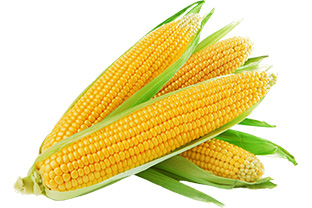
A drier outlook calls for early-maturing, drought-tolerant varieties (such as SC 301 Kalulu, SC 419/449 Kanyani). A wetter one rewards higher-yielding, longer-season varieties (such as SC 657/665 Mkango, SC 719 Njovu) but only if you’re ready to properly manage the extra weeds and waterlogging that come with the rain.
3. Plant on moisture, not the calendar
Precision planting in November means waiting for real, validated moisture in your soil (recommended 30 mm moisture) not just planting because “that’s when we always plant.”
4. Keep checking in.
December to February is not the time to switch off. Short and medium-range updates will tell you if a promising start is heading toward a mid-season dry spell, so you can adjust fertilizer timing and pest control before it costs you yield.
Simple as that sounds, it’s the difference between a season that happens *to* you and a season you manage on purpose.
The truth is, farming on guesswork has never been riskier. Climate variability is reshaping rainfall patterns across Malawi, and the old habits such as planting the same variety, the same spacing, the same date, year after year, are becoming a gamble few households can afford.
At the heart of these seasonal shifts is a Pacific Ocean weather system most farmers have heard of but few fully understand: El Nino and La Nina.
* El Nino – tends to push Southern Africa toward below-normal rainfall and drought risk. This is when short-season, drought-tolerant varieties earn their keep.
* La Nina – tends to do the opposite, bringing heavier rains, and with them, waterlogging, aggressive weed pressure, and nutrient leaching that demand their own management response.
A second factor, the Indian Ocean Dipole, can quietly amplify or soften whichever of these patterns is dominant, which is part of why no two seasons ever behave the same way.
Where this goes wrong for many farming households isn’t a lack of information, DCCMS and SARCOF publish these outlooks every year. It’s five avoidable habits:
*Each of these turns a useful forecast into wasted information and turns an ordinary dry spell or wet patch into a real threat to yield.
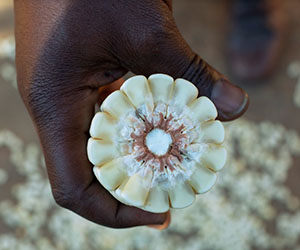
This is exactly the gap Seed Co Malawi wants to help close. Good seed is where a strong season starts, but it’s not where our role ends. Our agronomy team tracks the same seasonal outlooks you do, and we’ve built our hybrid range from shorter-season options for drier years to high-yielding varieties suited to wetter ones, so that whatever the season brings, there’s a Seed Co variety built for it.
| MBEU ZOYENERA MALINGANA NDI ZIGAWO | |||||
| DISTRICT CHIGAWO | MAIZE/ CHIMANGA | SOYA | BEANS/ NYEMBA | SORGHUM/ MAPIRA | RICE/ MPUNGA |
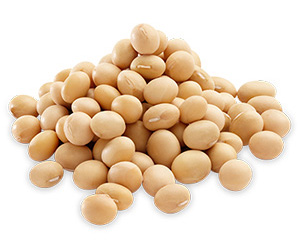
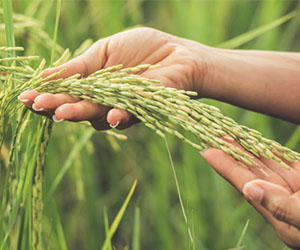
| South/ Kumwera | Kalulu, kanyani, Mbidzi, Mkango | Saga, Signal | Nua45 | SC Sila | Nerica, Kilombero |
| Central/ Pakati | Njovu,Mkango, Mbidzi,kanyani and Kalulu | Saga, Signal, Serenade | Nua45 | SC Sila | Nerica, Kilombero |
| North/ Kumpoto | Njovu,Mkango,Mbidzi,Kanyani and Kalulu | Saga, Signal, Serenade | Nua45 | SC Sila | Nerica, Kilombero |
If you’re not sure which variety fits your district’s outlook this year, that’s exactly the conversation to have with your local Seed Co agronomy officer. Bring your district forecast, and let’s match it to the right seed together.
Talk to your nearest Seed Co extension officer today, because a bumper harvest starts with a plan, and it grows from the right seed.
For more helpful tips watch the video here:


 Malawi
 Seed Co Group
 Angola
 Botswana
 DRC
DRC Kenya
Kenya Mozambique
 Nigeria
 South Africa
 Tanzania
 Uganda
 West & Central Africa
 Zambia
 Zimbabwe