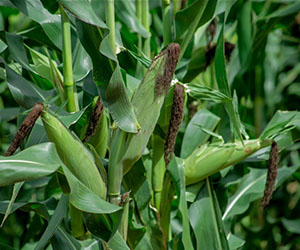
A high probability of El Niño conditions [80–90%] is expected across Malawi in the 2026/2027 season. Here’s what farmers, agronomists, and agribusinesses need to know, and the six-pillar strategy to protect yields.
According to the Ministry of Natural Resources’ Department of Climate Services, the 2026/2027 rainfall outlook points to a season of contrasts across the country. Southern and central Malawi face a high chance of below-normal rainfall, while much of northern Malawi can expect above-normal rainfall. Onset of the rains is also expected to be delayed in the north, with rainfall likely to arrive in the third week over southern and central areas, and temperatures trending upward through the season.
The takeaway for growers: this is not a uniform season. Planning has to be regional, not national.
Not every district faces the same exposure. Mapping El Niño risk against Seed Co’s operating zones shows a clear north–south gradient:
| Region | Risk Tier | Seed Co Zone | Recommended Maize Varieties | Maturity (days) | Yield Potential (t/ha) | Other Crops |
| Southern | Critical | 2 & 3 | SC 301, SC 419, SC 449, SC 555, SC 657, SC 665 | 90–125 | 6–10 | Soya beans, common beans, sorghum, rice |
| Eastern | Critical | 2 & 3 | SC 301, SC 419, SC 449, SC 555, SC 657, SC 665 | 90–125 | 6–10 | Soya beans, common beans, sorghum, rice |
| Central | Moderate | 3 & 4 | SC 301, SC 419, SC 449, SC 555, SC 657, SC 665, SC 719 | 90–140 | 6–12 | Soya beans, common beans, sorghum, rice |
| Northern | Low | 3 & 4 | SC 301, SC 419, SC 449, SC 555, SC 657, SC 665, SC 719 | 90–140 | 6–12 | Soya beans, common beans, sorghum, rice |
The Southern and Eastern regions — 14 districts in total — carry **Critical** risk status and warrant the most aggressive early-maturity variety placement and water-management intervention.
To help farmers navigate a drier, more erratic season, here is a six-pillar mitigation framework, built around variety choice, soil management, and disciplined agronomy.
1. Variety Selection
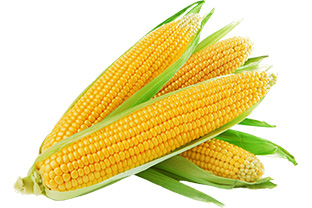
Match maturity length to risk. In Critical and Moderate risk zones, lean on ultra-early and early-maturity hybrids [SC301, SC419, SC449, SC555] which complete their cycle before late-season dry spells bite. Where the season allows more flexibility, medium-to-late maturity options such as [SC657, SC665, and SC719] remain viable, particularly in Central and Northern zones.
2. Soil & Water Management
Every drop counts in a below-normal rainfall year. Priorities include rainwater harvesting and storage, maximising soil coverage to reduce evaporation, enriching soil with organic matter to improve water-holding capacity and building infiltration structures and in-field catchments to capture runoff before it’s lost.
3. Planting Strategy
Timing discipline matters more than ever. Farmers should follow local weather forecasts closely, plant only with effective, established rainfall (not a false start), maintain optimum planting depth, use pit planting in moisture-stressed areas, and apply fertilizer on schedule to avoid wasting nutrients during dry spells.
4. Crop Diversification
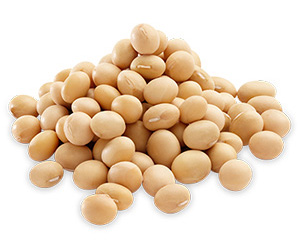
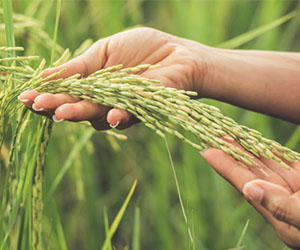
Spreading risk across crops, varieties, and maturity groups reduces the chance of a total loss if rainfall falls short. A diversified mix — different maize maturities alongside soya beans, common beans, sorghum, and rice — gives households and commercial farmers a buffer against localized failure.
5. Pest & Disease Control
Dry, stressed conditions often coincide with pest pressure spikes. An integrated pest and disease management approach — weighted heavily toward early scouting is essential, with particular vigilance against *Fall Armyworm (FAW)* and sucking pests such as *aphids and thrips*, which can quickly undermine a stand already under moisture stress.
6. Conservation & Mulching
Protecting soil moisture and structure closes the loop. This means zero-burning of crop residues, mixing in cover crops, building box ridges and swales to slow runoff, and applying manure to boost organic matter and resilience over successive seasons.
With an 80–90% probability of El Niño conditions materializing in 2026/27, the window for preparation is now — before planting decisions are locked in. Final regional outlooks will continue to refine the picture, but the direction is clear: Southern and Eastern Malawi should prioritize early-maturity varieties and aggressive water conservation, while Central and Northern growers have more flexibility but should not be complacent.
Farmers, extension officers, and agro-dealers are encouraged to align variety selection and input planning with these six pillars well ahead of the rains — proactive positioning now will determine resilience at harvest.
*Source: Ministry of Natural Resources, Department of Climate Services — 2026/2027 Climate Outlook for Malawi; Seed Co Malawi SBU El Niño risk mapping.
Link: https://www.metmalawi.gov.mw/publications/the-2026-2027-seasonal-outlook/

 Malawi
 Seed Co Group
 Angola
 Botswana
 DRC
DRC Kenya
Kenya Mozambique
 Nigeria
 South Africa
 Tanzania
 Uganda
 West & Central Africa
 Zambia
 Zimbabwe