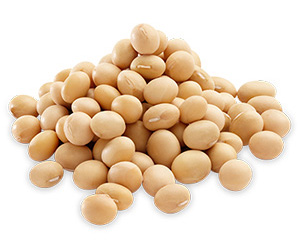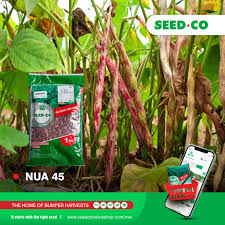
Farmers are strongly encouraged to finish planting their bean crops by the end of January. This timing is critical to ensure the plants complete their key growth phases—flowering and pod development while moisture is still available

Planting within this window helps the crop avoid the peak heat, humidity, and heavy rains that often arrive later in the season, which can stress the plants, increase disease pressure, and reduce both the quality and the final yield of the harvest.

Planting:

  • Seed rate for beans is 40 kg per acre (100kg/ha)
  • Planting on ridges spacing: ridge 75cm, stations 10cm, double rows per ridge, single seed/station.
  • Planting on flat field spacing: 45cm between rows, 10cm plant stations, single seed per station

Fertilizer Application:

  • Apply Super-D or D-compound or NPK during planting through banding
  • Legumes fix nitrogen through natural biological means, hence no need for top dressing.
  • After planting conduct regular field scouting for pests and diseases.

Key harvesting Tips for Dry Beans:

  • Let Pods Mature Fully: Leave the beans on the plant until the pods are completely dry, papery, and brown, and the seeds inside rattle when shaken.
  • Harvest at the Right Time: Pull entire plants on a dry, sunny day if most pods are ready. For uneven drying, pick individual dry pods as they mature.
  • Thoroughly Dry Before Storage: thresh the beans and spread them in a single layer in a warm, well-ventilated area for 1-2 weeks to ensure they are completely hard and dry before storage

Post-Harvest Storage Treatment & Tips:

  • Complete Drying: After threshing and winnowing, spread beans in a thin layer in a warm, dry, ventilated area for 1-2 weeks. They must be completely dry (moisture content below 13%) for safe storage.
  • Chemical Storage Treatment: To prevent insect infestation during long-term storage, approved insecticide protectants (such as Actellic Super dust) can be applied. Always follow the manufacturer’s label instructions precisely regarding dosage, application method, and safety gear.
  • Airtight & Cool Storage: Store treated, dried beans in airtight containers (metal bins, heavy-duty sealed bags, or food-grade buckets with gaskets). Keep containers in a cool, dark, and dry place to maximize shelf life and maintain quality.