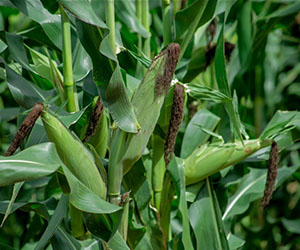
Seed Co has 86 years of experience in the production and supply of certified high-yielding seed varieties bred in Africa for African climatic and geographic conditions.
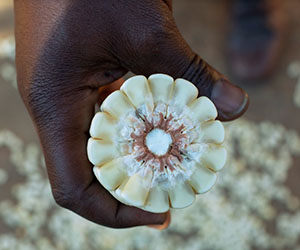
Our Seed Co maize varieties are specially bred for various ecological regions across Africa, assuring farmers of quality certified seeds and high yields.
Our Seed Co maize brands are specially bred for various ecological regions across Africa, assuring farmers of the best in class quality seeds and high yields which result in bumper harvests every season.
Maximize Yield and Maintain Grain Quality with Seed Co Malawi Limited
Seed Co Malawi Limited is the leading supplier of high-quality, certified hybrid seeds across Malawi. We provide top-performing crop varieties engineered for high yields, including:
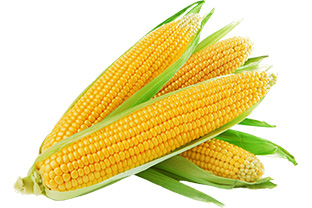
Maize varieties: Kalulu, Kanyani, Mbidzi, Mkango, and Njovu
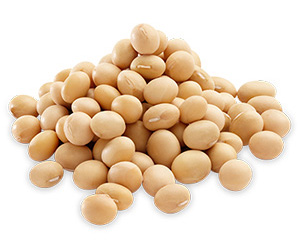
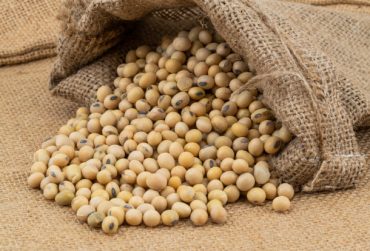
Soybeans varieties: Serenade, Signal, and Saga
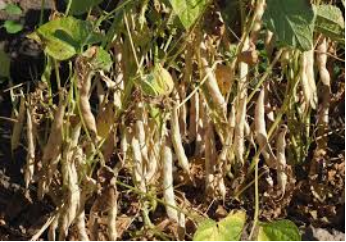
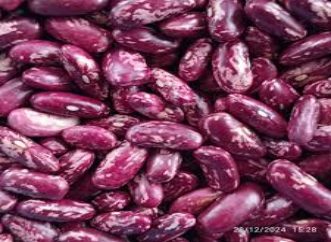
Common/dry beans variety: Nua-45
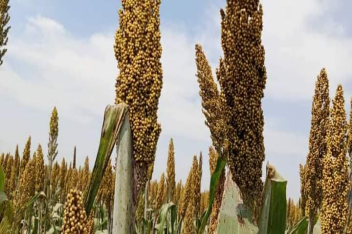
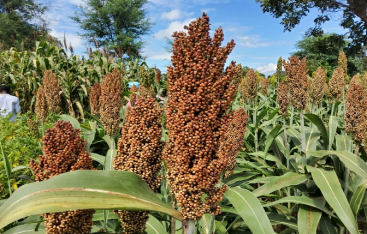
Sorghum varieties: SC Sila (white grain colour) and SC XH 102 (red grain colour)
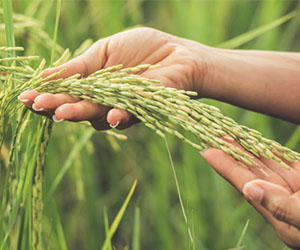
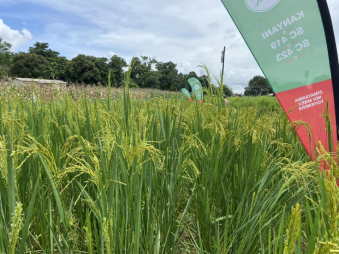
Rice varieties: Nerica-4 (upland variety/wakuntunda rice) and Kilombero (puddy rice)
Successful farming does not end at maturity. Crop management from field to consumer dictates final profit. Timely harvesting, proper drying, and strategic chemical storage are essential steps to minimize losses and maintain peak grain quality.
1. Maize (Zea mays)
Harvesting
Timing: Harvest when husks dry and kernels harden. Ensure field moisture is at 20–25%.
Method: Manual picking or mechanical combine harvester.
Post-Harvest Process
Drying: Use sun-drying or mechanical dryers to lower grain moisture to 11–13%.
Shelling: Process using hand-shelling or motorized mechanical shellers.
Cleaning: Clean thoroughly to remove dust, cob debris, and broken kernels.
Storage: Apply approved protectants from legitimate suppliers, Dust or fumigate only dry, clean maize and Rotate chemical classes annually to prevent insect pest resistance.
Scientific Insight: Delayed maize harvesting causes a 5–15% field yield loss. Failing to dry grain below 13% risks severe storage losses exceeding 30% from weevils and toxic fungal molds like aflatoxin.
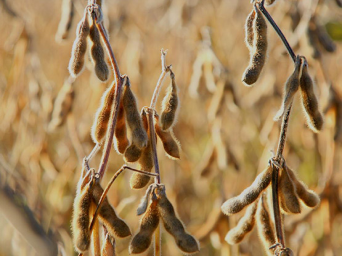
2. Soybeans (Glycine max)
Harvesting
Timing: Harvest when pods dry completely and leaves drop. Target 13–15% moisture.
Method: Manual cutting or mechanical combine harvester.
Shatter Control: Harvest during early morning or late afternoon when relative humidity is higher to reduce pod shattering.
Post-Harvest Process
Threshing: Handle gently during threshing to prevent seed coat cracks.
Drying: Bring moisture levels down to an optimal 10–12%.
Cleaning: Screen out pods, weed seeds, and soil dust.
Storage: Treat only clean, dried soybeans with recommended grain protectants and minimize physical handling bags; soybean seeds crack easily, lowering oil extraction quality.
Scientific Insight: Soybeans have a strict 3–5 day harvest window post-maturity. Delays spike shattering losses past 20%. Rough handling breaks seeds, slashing germination rates by up to 25%.
3. Common/dry Beans (Phaseolus vulgaris)
Harvesting
Timing: Harvest when pods turn yellowish-brown, dry out, and rattle when shaken. Target 18% moisture.
Method: Manual uprooting/cutting or specialized mechanical pullers.
Post-Harvest Process
Drying: Spread on tarpaulins to dry down to 12–13% moisture.
Threshing & Cleaning: Use specialized bean shellers or gentle winnowing techniques.
Sorting: Sort manually or mechanically by uniform color, size, and physical quality.
Storage: Apply recommended bean protectants against the bean bruchid beetle and store in cool, well-ventilated areas using airtight PICS bags or treated gunny sacks.
Scientific Insight: Delayed bean harvests expose crops to field pests and weathering, costing 10–15% in lost yield. Poor, aggressive threshing splits or bruises up to 30% of grains, making them unmarketable.
4. Sorghum (Sorghum bicolor)
Harvesting
Timing: Harvest when grain hardens and the black layer forms at the base of the kernel. Target 20–25% moisture.
Method: Manual head cutting using knives or mechanical combine harvesting.
Post-Harvest Process
Drying: Dry heads immediately on clean surfaces until grain moisture reaches 10–12%.
Threshing: Beat heads gently on mats or pass through a mechanical thresher to separate grain from chaff.
Cleaning: Winnow to remove light chaff, dust, and small stones.
Storage: Treat grain with approved insecticides to protect against grain weevils and moths and store in a clean, elevated, rodent-proof granary or sealed bags.
Scientific Insight: Standing sorghum left in fields past maturity experiences up to 15% loss from bird damage, grain mold, and weathering. Keeping moisture above 13% in storage invites rapid infestation by the destructive lesser grain borer.
5. Rice (Oryza sativa)
Harvesting
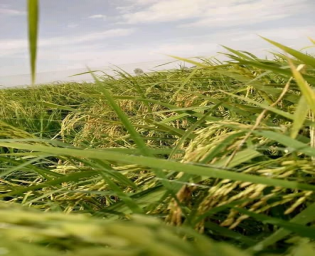
Timing: Harvest when 80–85% of the grains turn a mature, golden yellow color on the panicle.
Method: Manual sickles or mechanical combine harvesters.
Post-Harvest Process
Threshing: Thresh immediately within 24 hours of harvest to separate grains from panicles.
Drying: Dry slowly to 12–14% moisture. Avoid rapid sun-drying to stop grain cracking.
Cleaning: Remove straw, stones, empty husks, and mud balls.
Milling: Dehull to produce brown rice, or polish further to create white rice.
Storage: Store paddy rice (unhusked) using recommended warehouse chemical treatments and crucial: Never treat edible, polished white rice directly with strong residual liquid insecticides.
Scientific Insight: Flawed post-harvest management cuts rice value by up to 37%. This includes field shattering (5–10%), poor threshing (3–5%), and unmonitored drying causing sun-cracking and rot (15–20%).

 Malawi
 Seed Co Group
 Angola
 Botswana
 DRC
DRC Kenya
Kenya Mozambique
 Nigeria
 South Africa
 Tanzania
 Uganda
 West & Central Africa
 Zambia
 Zimbabwe