
 Zambia
 Zimbabwe
 Malawi
 Botswana
 Nigeria

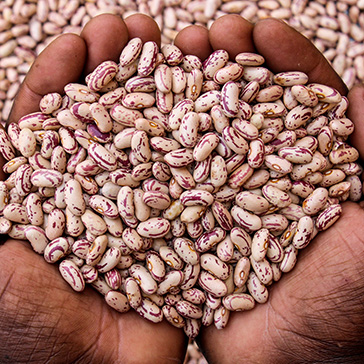
Beyond giving lies something deeper; the seeds of lasting impact.
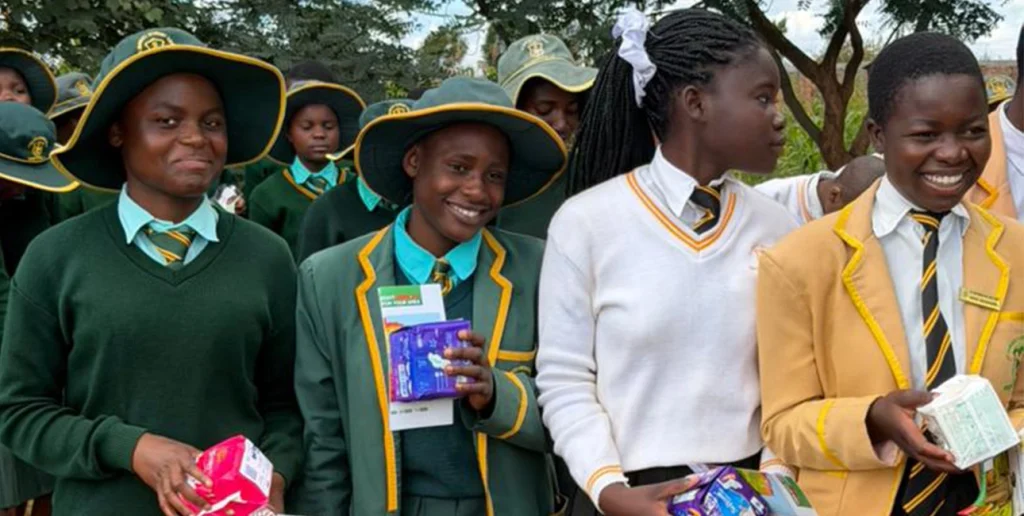
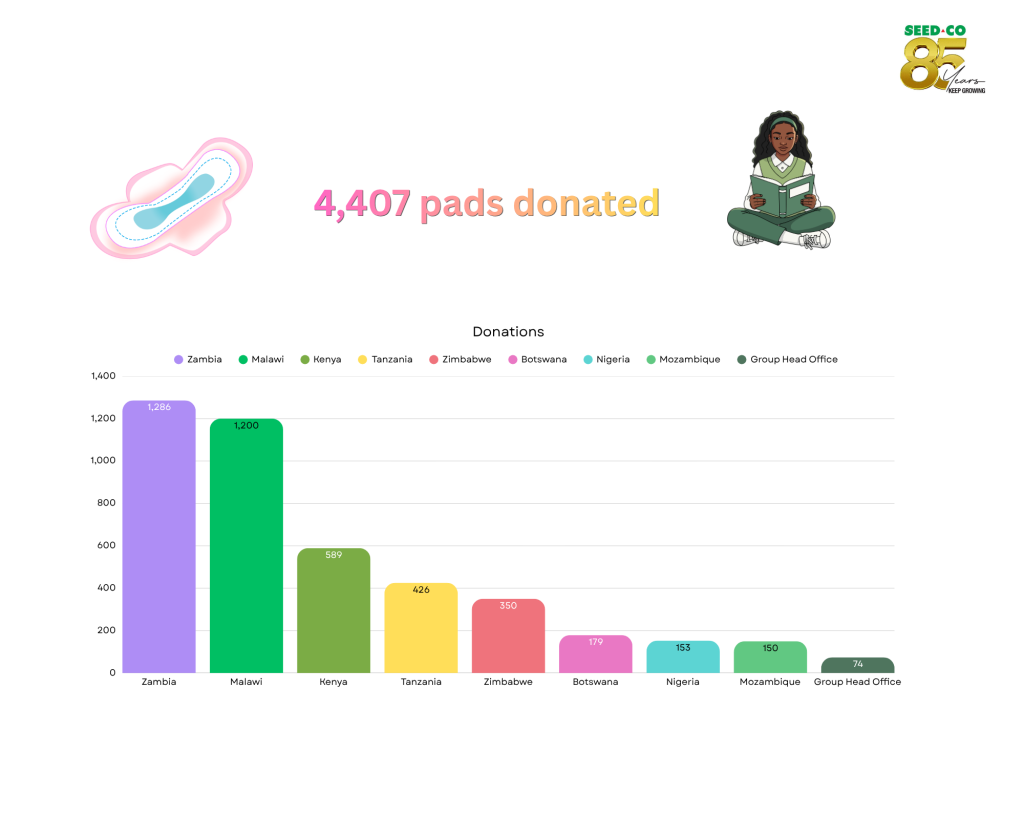
There are moments when giving is not just an act, but a quiet revolution. In March 2026, across nine markets, the Seed Co family came together, not as a corporation ticking a box, but as people responding to a reality too often left unspoken. 4,407 sanitary pads were donated. Zambia led with 1,286, followed by Malawi with 1,200, Kenya contributed 589, Tanzania 426, Zimbabwe 350, Botswana 179, Nigeria 153, Mozambique 150, and the Group Head Office added 74.
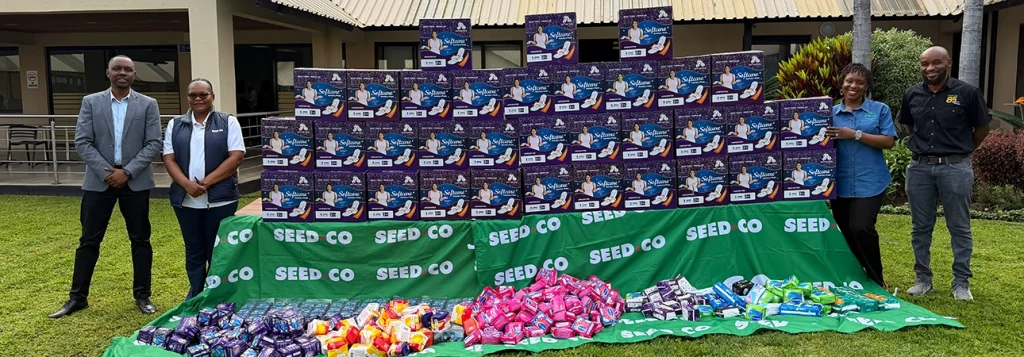
But numbers, as powerful as they are, only tell the beginning of the story. Because beyond every pack was a conversation. And beyond every conversation was a shift of attention, and beyond every shift of that attention was the possibility of a different future.
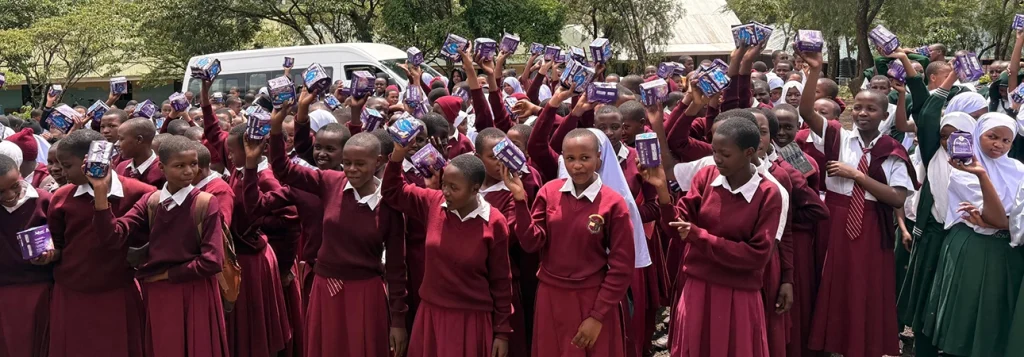
Where did this impact begin? At St Michael’s School and Mukwashi Trust School in Zambia, at Lilongwe Demonstration School in Malawi, at Kanaani Secondary School in Kenya, In Malawi, in Tanzania at Engogora High School, in Zimbabwe at Gabane Junior School, in Nigeria at Barnawa Baptist School, while Mozambique at both Escola Secundária Quinta das Laranjeiras and Escola Secundária de Nhamaonha. The Group Head Office the impact taxied at Blue Eagle High School.
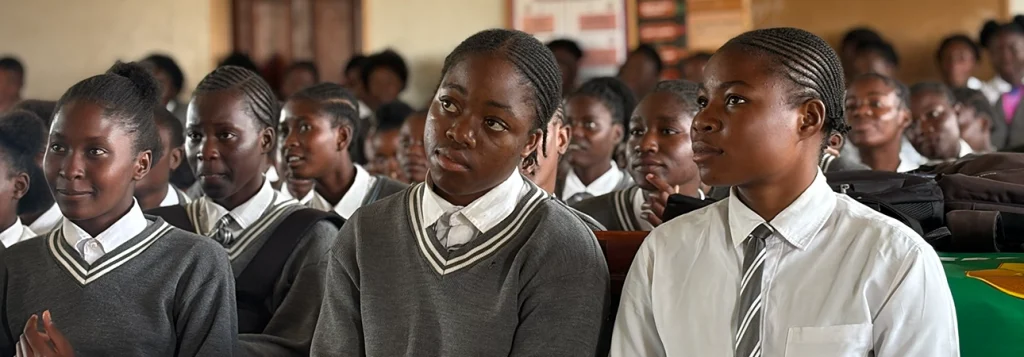
This initiative unfolded not just in distribution, but in dialogue. There was a moment, small, almost fleeting, but deeply revealing. When the girls were encouraged to speak openly about menstrual health with their fathers, a soft murmur rose through the room. It grew into a chorus of disbelief, “Uhm… who? Talk to our fathers?” It was not laughter. It was not rejection. It was history speaking, and a reminder that for many, menstrual health still sits in the shadows of silence, confined to whispered conversations, bound by generations of cultural distance.
In that moment, it became clear: this initiative was not confronting a supply gap. It was confronting a social one, and that is where its true power lay. Mrs. Grace Bwanali, Managing Director for Seed Co Zambia, reflected on her own experience growing up. For her, conversations around menstrual health were not merely about hygiene, they were signals, assurances, deeply tied to perceptions of morality and identity. But today, the narrative is shifting.
What was once private is becoming shared, and what was once uncomfortable is becoming necessary. What was once hidden is stepping into the light.
Because dignity is not just about access. It is about normalisation. From Kenya came the story of a girl who had almost missed school that day, held back not by lack of ambition, but by lack of access. “This time, someone showed up.” And that simple intervention rewrote her day, her confidence, her sense of belonging.
In Malawi, the initiative was described as “planting seeds of dignity”, a phrase that feels fitting, not just for agriculture, but for humanity itself. Because dignity, like a seed, grows quietly, but its impact is visible in every confident step forward.
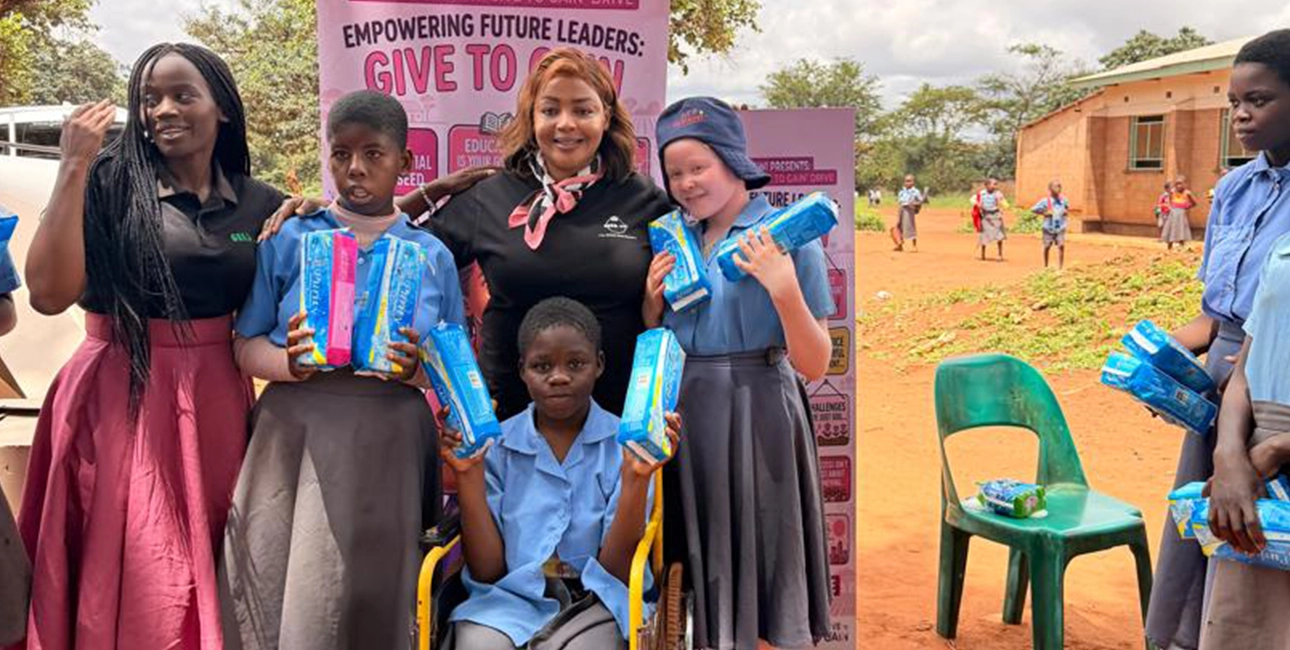
In Zambia, empowerment was framed through a simple but profound truth: “Empowerment starts with dignity.”
And across all these stories, one thread remained constant, presence. Not just showing up to give, but showing up to listen, to challenge, to engage, and to stay. There is a growing conversation in global thought leadership that Corporate Social Responsibility is not defined by what is given, but by how organisations live, relate, and remain accountable to society.
This initiative reflected that shift; it was not charity, it was participation, it was not a moment. It was a movement of thought because the real question is not “What did we donate?” It is “What changed because we were there?” And what changed here was profound, conversations once considered taboo were opened.
Fathers through the teachers, invited parents, and through the Seed Co team were invited into spaces they had never occupied. Girls were reminded, not subtly, but clearly, that they are seen, valued, and supported.
We as employees across Seed Co International became part of something larger than our roles, a shared purpose.
In the end, 4,407 pads were distributed. But more importantly, thousands of voices were heard. Hundreds of perspectives were challenged. Countless futures were quietly reshaped.
And as we continue to reflect, that because when a girl no longer misses school, she does not just gain a day, she gains momentum. And when society begins to speak openly about what it once silenced, it does not just change conversations, it changes culture.
This is what it means to go beyond giving. To understand that impact is not measured at the point of donation, but in the ripple effects that follow, in classrooms, in homes, in conversations yet to happen.
For Seed Co, this initiative was not the end of a campaign. It is the beginning of a responsibility. A responsibility to keep showing up, to keep listening, and to keep shaping a society where dignity is not an intervention, but a standard.
And perhaps, that is the most powerful seed of all.