The morning began like many others in the Mt. Kenya region cool air settling over the fields, the soil rich and expectant, farmers arriving in small groups, curious but measured. They have seen launches before. Heard promises before. So they came, not just to listen but to see for themselves.
By mid-morning, the energy had shifted.
What started as quiet observation slowly turned into movement farmers stepping closer, leaning in, asking questions, pointing at fruits, exchanging knowing looks. Because right in front of them stood something different. Something that didn’t just speak it proved itself.
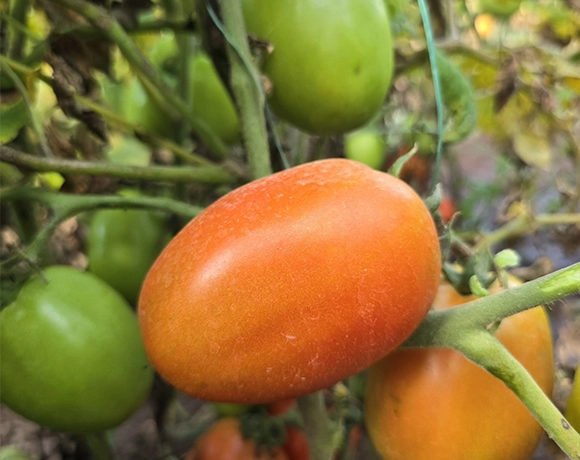
The name moved quickly through the crowd, passed from one farmer to another like a spark.
At first, it was the numbers that caught their attention.
“Seventy-five days?” one farmer repeated, almost in disbelief. For many, that meant quicker harvests, faster returns, and the ability to better plan around unpredictable weather patterns.
Then came the reassurance they’ve all been waiting for high tolerance to diseases and viruses. In a region where one outbreak can wipe out months of hard work, this wasn’t just a feature. It was relief. It was protection. It was peace of mind.
But Astra F1 didn’t stop there.
As farmers examined the fruits, lifting them in their hands, weighing them instinctively, the murmurs grew louder. Each tomato, ranging between 180 to 220 grams, was firm, uniform, and undeniably market-ready. This wasn’t just produce it was income, school fees, stability.
Then came to the amazing yield potential of up to up to 55 tonnes or more per acre.
You could see the calculations happening in real time. Eyes narrowing slightly, heads nodding, quiet conversations turning into animated discussions. Because every farmer there understood exactly what that meant.
More yield.
More consistency.
More profit.
The field quickly transformed into a space of exchange questions flying from every direction.
“When will it be available?”
“How does it perform across different soils?”
“Where can we get it?”
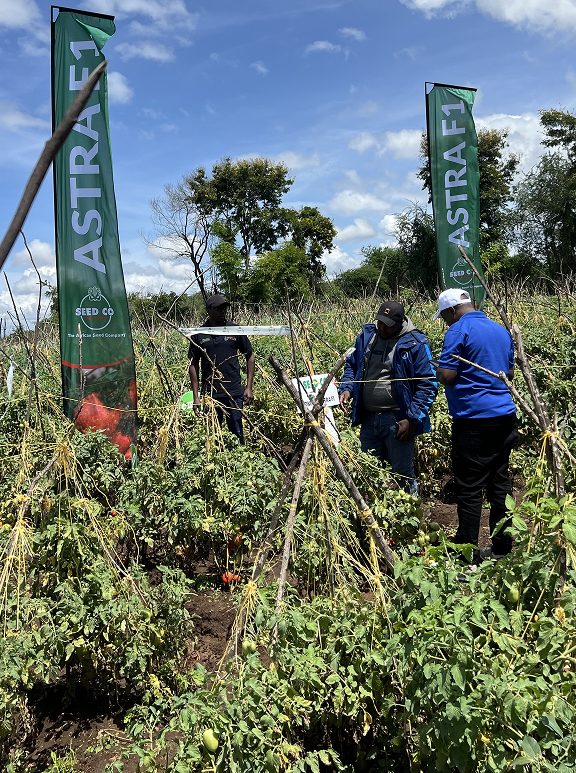
There was no hesitation anymore. Just curiosity, urgency, and belief.
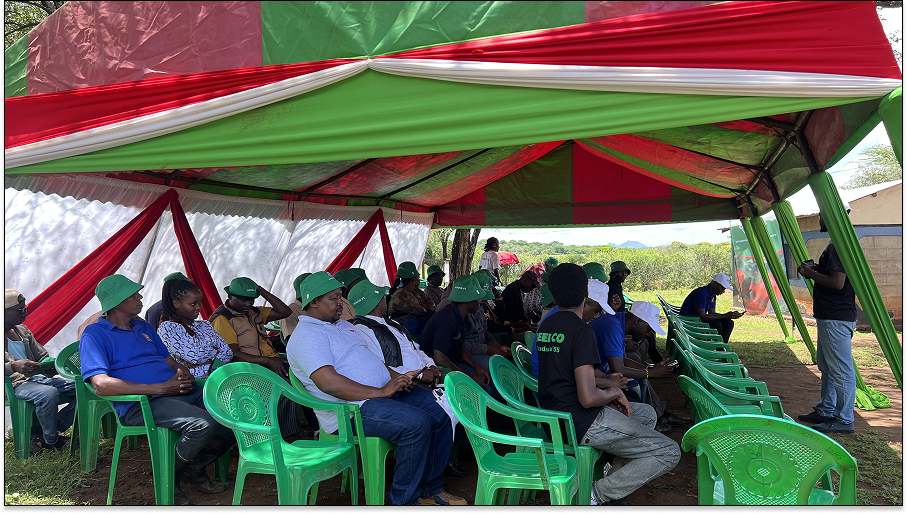
And as the conversations deepened, something else became evident the atmosphere wasn’t just about business. It was about connection. Farmers shared experiences, challenges, and hopes over a well-prepared meal, laughing, debating, and imagining what Astra F1 could mean for their next season.
And as the conversations deepened, something else became evident the atmosphere wasn’t just about business. It was about connection. Farmers shared experiences, challenges, and hopes over a well-prepared meal, laughing, debating, and imagining what Astra F1 could mean for their next season.
They were not just attendees. They were part of the story.
By the afternoon, the skepticism that had quietly walked in with them had been replaced with something far more powerful confidence.
You could see it in the way they lingered a little longer, asked one more question, took one last look at the crop. They weren’t rushing to leave. They were holding onto the moment because they knew something had shifted.
As they finally began to disperse, one thing was certain: Astra F1 had done more than impress.
It had connected.
Farmers left not just well-fed, but fulfilled carrying with them new knowledge, fresh excitement, and a shared anticipation for what’s next. The conversations didn’t end at the field; they continued on the roads, in homes, and soon, across the region.
Because now, everyone is waiting.
Waiting for Astra F1 to officially hit the market.
Waiting for the chance to plant it.
Waiting to turn possibility into harvest.
In Mt. Kenya, this wasn’t just a launch.
It was the moment farmers began to believe again in better yields, in stronger crops, and in a future that finally feels within reach.

 Kenya
Kenya Seed Co Group
 Angola
 Botswana
 DRC
DRC Malawi
 Mozambique
 Nigeria
 South Africa
 Tanzania
 Uganda
 West & Central Africa
 Zambia
 Zimbabwe